Understanding culture,
not just
measuring it.

A useful cultural study combines the depth of qualitative work with the reliability of quantitative work, on a panel we actually know. Not another survey, not a trend note, but a documented analysis brand teams can use the next day.

This page details how we work at obv.studio: our methodological pillars, our proprietary panel, the five steps of a study, what we guarantee, what we deliver. It lets a brand or research team know exactly what to expect before reaching out.

Three pillars

Qualitative, quantitative, narrative.

Qualitative for meaning

Semi-structured individual interviews, field observations, focus groups. This is where we understand the deeper motivations, the cultural identity that shapes choices, and the vocabulary people use to talk about themselves. Without this step, you extrapolate. With it, you document.

Quantitative for scale

Targeted panel surveys of 200 to 1,000 respondents, with questions calibrated from the qualitative fieldwork. We verify what we saw, quantify the observed behaviours, identify the segments that share a common cultural posture. Data becomes readable because it is anchored in real context.

Narrative for decision

The deliverable is not a 200-page PDF of statistical analysis. It's a structured cultural report that tells a story, identifies 3-5 actionable insights, and proposes concrete recommendations. The point: that a marketing, creative or strategy team can use it as-is in a business decision.

Our panel

Over 230 respondents
we actually know.

The obv panel is built in-house, not bought from a provider. As of today, more than 230 active respondents (growing steadily) have voluntarily signed up on obv.studio. Each one filled in a detailed demographic and cultural profile at account creation, which lets us target precisely by profile for every study.

Who they are

18-35 year olds, mostly urban French. Students, employees, freelancers, entrepreneurs. A real diversity of professional, family, cultural situations. They are not professional panelists paid to answer surveys. They are people who chose to participate in cultural studies because the subject interests them.

How we recruit them

Voluntary signup via obv.studio. When creating an account, each respondent fills in a welcome profile (9 questions, 2 minutes: age, city, professional situation, family situation, transport, cultural interests, information sources, frequency of cultural outings). That profile lets us send each one the surveys that actually match them, instead of spamming everyone.

How we keep them engaged

Not through money (we don't pay for answers), through quality of experience. Short surveys (10-15 minutes), careful question wording, transparency on what we're trying to understand, systematic anonymisation of answers, and a prize draw at the close of every survey for a symbolic prize. The average completion rate on Obv surveys is 78%, twice the norm of bought panels.

How a study unfolds

Five steps, six to ten weeks.

From the first brief to the final oral debrief, every obv.studio study follows the same structure. Total duration depends on the depth and number of respondents, but the sequence stays constant.

01

Brief & scoping

One to two scoping sessions with the brand to clarify the business objective, the precise questions the study should answer, and the constraints (budget, deadlines, confidentiality). The output is a signed written brief that serves as reference for the rest of the project. Duration: 1 week.

02

Recruiting & targeting

Building the precise targeting on the Obv panel (age, city, culture, professional situation…) and recruiting respondents for qualitative interviews. We aim for a real diversity of profiles on the criteria that matter for the study, not just demographic representativeness. Duration: 1 week.

03

Qualitative & quantitative fieldwork

Individual interviews (8 to 20 depending on the study), focus groups when the subject calls for it, participant observation. In parallel, a quantitative survey runs on the panel (200 to 1,000 respondents). Both feed the analysis cross-wise: the qualitative explains the quantitative, the quantitative verifies the qualitative. Duration: 2 to 3 weeks.

04

Analysis & writing

Interview coding, cross-checking with quantitative data, identifying emerging themes, building cultural segments, selecting representative verbatims, drafting the report. This stage is not a formality: it's where the difference is made between a descriptive report and a usable strategic analysis. Duration: 3 weeks.

05

Presentation & iteration

Oral presentation of the report to the commissioning brand (marketing, creative, strategy teams depending on the subject). One or two sessions to ask questions, challenge conclusions, prioritise actionable recommendations. Final deliverables (PDF report, presentation deck, optional raw data) are handed over after that. Duration: 1 week.

Quality & rigour

What guarantees reliability.

A cultural study is not an intuition dressed up in numbers. It is methodical work with precise guardrails. Four principles structure every obv.studio study.

Strict panel targeting

Each survey is sent only to respondents whose profile matches the study criteria. No noise, no off-target answers. Brands receive an analysis grounded in the right population, not on a generic sample.

Qualitative-quantitative triangulation

No conclusion rests on a single method. If a behaviour emerges in interviews, we verify it quantitatively. If a data point surprises us in the quanti, we go back and dig in the quali. That cross-check eliminates the biases of each method taken in isolation.

Documented reproducibility

The entire methodology is documented in the final report: targeting criteria, sample size, fieldwork duration, questions asked, biases identified. Another team could reproduce the study from that document. It's the foundation of academic credibility and the guarantee for the commissioning brand that results hold up.

Respondent data confidentiality

Brands never receive individual personal data. Verbatims cited in reports are anonymised. The Obv panel is governed by a GDPR-compliant privacy policy, and no personal data is ever resold to third parties. What we deliver to a brand is an aggregated, anonymised analysis — never individual data.

What we deliver

A usable cultural audit.

No PDF you archive without reading. Every Obv deliverable is designed to be used directly by the marketing, creative or strategy teams who receive it.

Cultural report (PDF, 40-80 pages)

The core deliverable. A narrative synthesis that lays out key insights, identified cultural segments, emblematic verbatims, quantitative data, and actionable recommendations. Structured for fast reading: executive summary on page one, deep dive for anyone who wants to go further, methodology in appendix.

Oral presentation

In-person (or video) debrief to the brand. Presented directly by Rafael, who ran the study — not a junior consultant who never saw the field. One or two sessions depending on needs, with Q&A and challenge of the conclusions.

Aggregated raw data (optional)

On request, the brand can receive the aggregated quantitative data in CSV or Excel format, for integration into their own analysis tools. Always anonymised, with no personally identifiable data.

Actionable recommendations

Three to five concrete strategic recommendations, ranked by estimated impact. This is the element that turns a study into a decision tool: not just "here's what we saw", but "here's what we do about it".

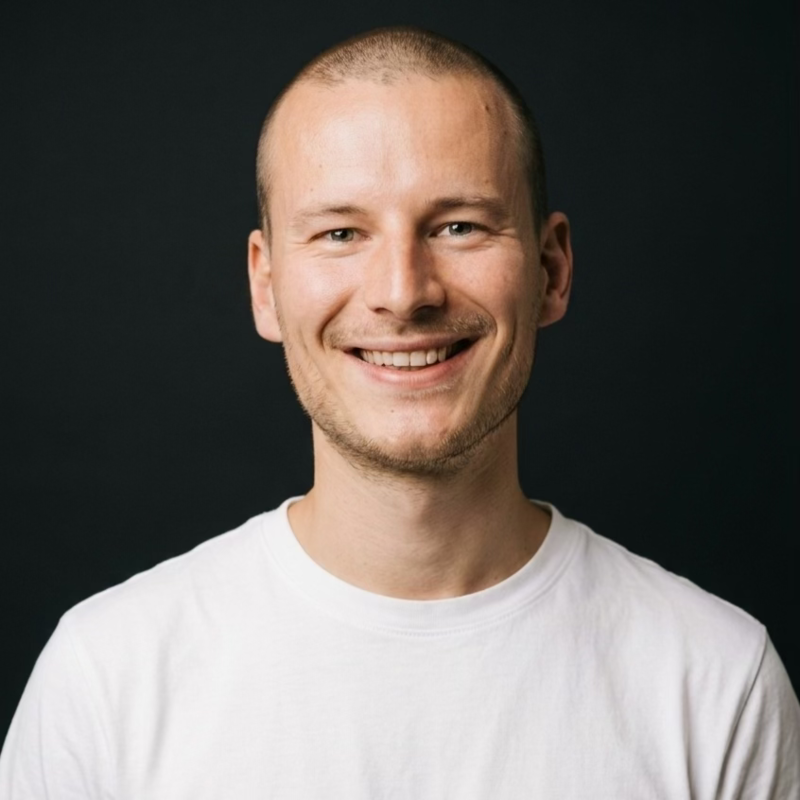
Rafael Janosevic
Who runs your study
Rafael Janosevic, founder.

obv.studio is led by Rafael Janosevic, a brand and cultural strategist with 8 years of experience. Graduate of Sciences Po Paris (Master in Communication, Media and Creative Industries), he worked at YARD as a Creative Strategist (Nike, Instagram, Salomon, Spotify, Jordan, Apple…), then as Head of Strategy at Views (adidas, JD, Decathlon, Oakley, New Balance, Louboutin…), before founding in 2022 Parenthèse Adventure Club, an outdoor community of 12,000+ members collaborating with GORE-TEX, Oakley, Columbia, Merrell. obv.studio was created in May 2026 to centralise that expertise in a single format: usable cultural studies, run by the person who designs them.

Work with us

Got a brief?

For brands
Brief obv.studio →
Already published studies
Explore the shop →